

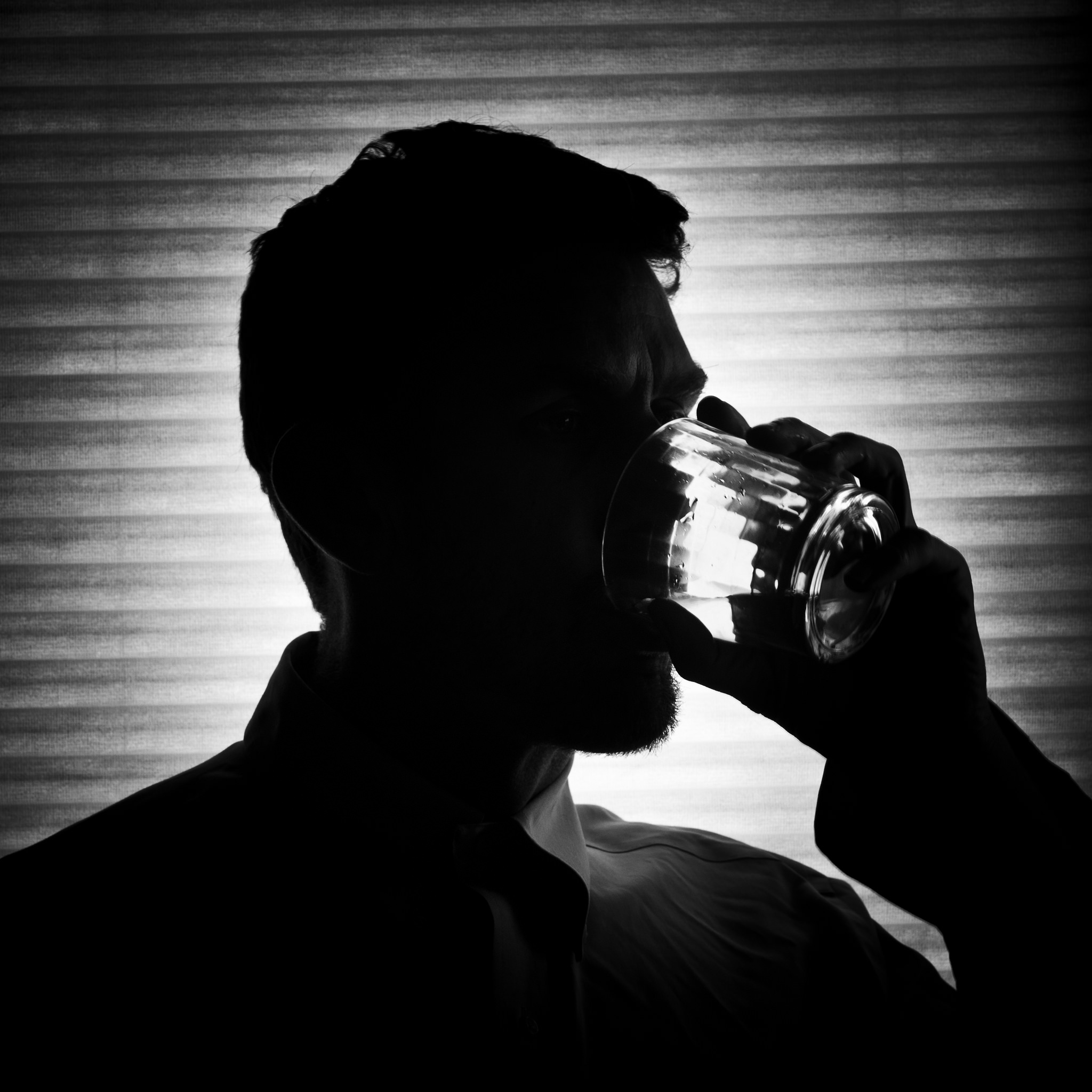

You have to be extremely unwell to be admitted to an acute psychiatric ward as the number of beds shrink year on year. Using substances is one factor that is associated with requiring hospital admission rather than community treatment. As Hermine Graham, the lead author of a recent study points out, admission can be a ‘window of opportunity’ to explore and discuss substance use with the client as a trigger factor that led to hospital admission (Graham et al, 2015).
Effective interventions for people with co-existing acute mental health and substance use problems have proved elusive so far. There have only been a few trials to date, as research funding has been difficult to secure. In part due to the high attrition rate of this client group in trials. This loss to follow up will be a familiar factor in clinical practice where it can be challenging to engage and retain these clients in treatment. So the authors are to be admired for investigating what might work with these clients.
As fellow Elf Sally Adams noted last year in a blog about alcohol and depression, there has been a disproportionate focus in research on mild to moderate levels of depression and alcohol use (Adams, 2015).

Methods
The Graham et al (2015) study was a small scale feasibility trial to establish whether the intervention was practical and acceptable.
- New admissions to eleven acute wards and three psychiatric intensive care units in one English mental health trust were recruited into the trial
- The participants were randomly allocated to treatment as usual consisting of inpatient assessment and monitoring by staff on the ward. The intervention group received Brief Integrated Motivational Intervention (BIMI), consisting of a blend of cognitive behavioural and motivational approaches
- The BIMI intervention was delivered over two weeks in a series of 4-6, 15-30 minute sessions. A booster session was delivered 1 month later
- A power calculation was used to inform the sample size, the investigators aimed for a 1 point difference on the Substance Abuse Treatment scale (SATS) as the primary outcome measure
- The researchers were blind to participant treatment group until the 3 month follow up
- 59 patients were recruited from 14 wards
- Alcohol and cannabis were the two substances most commonly used.
Results
Overall there was little difference between the groups. The primary outcome of engagement showed only a modest improvement, statistically discerned rather than being clinically significant.
Increased contact with staff was found in the BIMI group, but this did not produce any significant change in the outcomes measured during the short duration of the trial, when compared to the control group.
Both groups reported using their primary substance less often in the last month of the trial period.
Conclusions
This is an important area to research, but as this study demonstrates it is not easy. Illustrated by the 30% (n=9) of the intervention participants unable to receive BIMI as they were either discharged from hospital or refused.
As the authors note, baseline assessment can produce an effect on its own. In other words, just asking someone about their substance use can instigate a positive change. Such a simple thing to do, surely inpatient staff have the time to ask this one question?

Strengths and limitations
Strengths
- The investigators focussed on an intervention for acute inpatient care
- The intervention is low cost
Limitations
- The authors rely on 10 year old data as an indication of how prevalent substance use is for inpatients
- The intervention staff received 2 days of training, worked with specially trained dual diagnosis staff and received supervision from the investigators
- The exclusion criteria is not clear, so we don’t have much detail on who is potentially missing from the trial or why
- It is likely that clinicians would be able to guess which arm of the trial participants were in during the trial introducing the possibility of bias
- Very few females were included in the trial (n=9)
- Tobacco use was not studied.
Summary
The results may seem disappointing, but this is a useful reminder of how challenging research in the speciality of co-occurring substance use and mental health is. The findings of this trial are similar to those of Barrowclough et al (2010) who used comparable interventions with this client group and only found a modest reduction in alcohol use despite an intensive treatment approach.
A national survey is urgently needed to establish the extent of co-existing substance use in this population. This should gather information on the type and frequency of substance use, this information would help inform services in training their staff and providing appropriate interventions.
It is vital that substance use is not only assessed for this client group, but that staff have the confidence and skills to act on this information once they have it.

Links
Primary paper
Graham HL, Copello A, Griffith E, Freemantle N, McCrone P, Clarke L, Walsh K, Stefanidou CA, Rana A, Birchwood M. (2015) Pilot randomised trial of a brief intervention for comorbid substance misuse in psychiatric in-patient settings. Acta Psychiatrica Scandinavica Article DOI: 10.1111/acps.12530 [Abstract]





BibSonomy :: url :: Comorbid substance misuse in acute psychiatric inpatients- Mental Elf Blog post.
10 years agopsychtutoring
10 years agomrspatwilliams
10 years agoAdibEssali
10 years agoJoeBarnby
10 years agomaricaferri
10 years agoBeGOOD_EIE
10 years agoBeGOOD_EIE
10 years agoNickyfearon
10 years agoSameiHuda
10 years agoJohnFoster12
10 years agoJohnFoster12
10 years agoJohnFoster12
10 years agoian_hamilton_
10 years agoRandall_JAC
10 years agoMutinusTitinus
10 years agoMental_Elf
10 years agotombssimon
10 years agoLizHughesDD
10 years agoMHARG_york
10 years agoian_hamilton_
10 years agoian_hamilton_
10 years agoDaisyBoggCons
10 years agonuwandiss
10 years agoMental_Elf
10 years agoMental_Elf
10 years agoian_hamilton_
10 years agoBuffDavis
10 years agoKeayCath
10 years agoMHARG_york
10 years agoian_hamilton_
10 years agosparklijelibean
10 years agonormanlamb
10 years agoHealthSciYork
10 years agoDrGilluley
10 years agorandompanda63
10 years agoGillMurphy8
10 years agoJohnFoster12
10 years agosadiemacuk
10 years ago121Therapy
10 years agoMental_Elf
10 years agoMental_Elf
10 years agoSndrlndPubHlth
10 years agoian_hamilton_
10 years agoian_hamilton_
10 years agoian_hamilton_
10 years agoMental_Elf
10 years agoEmpManPaul
10 years agoAberdeenADP
10 years agoNHFTNHSLibrary
10 years agoTheYorkMind
10 years agoJohnBaker_Leeds
10 years agojsummers71
10 years agoMental_Elf
10 years agoVeritihealth
10 years agoian_hamilton_
10 years agorandompanda63
10 years agoSamaritansSAD
10 years agoSteveT_PHE
10 years agoMental_Elf
10 years agocityalan
10 years agoGillMurphy8
10 years agoian_hamilton_
10 years agoSMMGP
10 years agoian_hamilton_
10 years agoian_hamilton_
10 years agoMental_Elf
10 years agoian_hamilton_
10 years agoUWSHeatherN
10 years agocateCPPE
10 years agoCPH_IMS
10 years agoMental_Elf
10 years agoian_hamilton_
10 years agoNovembervivi
10 years agoian_hamilton_
10 years agoiVivekMisra
10 years ago